What is IPTV Explained with Whatsapp Contact +12679961061
Still think you need a cable subscription to watch live TV? Think again.
Television has undergone a massive shift. Today, your favorite shows, movies, and sports stream directly through your internet connection. This modern approach to media delivery is reshaping how we consume entertainment.
This comprehensive guide explains the core concept of streaming television. We’ll show you how this technology transforms digital media consumption in the modern United States.
Forget about traditional broadcast methods. High-quality entertainment now comes straight to your screen on-demand. Our team, including experts like Sona Aramyan, compiled this resource to clarify the mechanics of modern television.
By the end, you’ll have the knowledge to navigate the evolving landscape of digital content. You can confidently choose the right premium IPTV services for your needs.
Questions about your setup? Reach our support team via WhatsApp at +12679961061 for immediate help.
Key Takeaways
- Television content is now delivered directly through your internet connection.
- This technology offers a modern alternative to traditional cable and satellite.
- You gain access to a vast library of live and on-demand content.
- Understanding this system helps you make informed choices about your entertainment.
- Expert support is available to assist with any setup questions you may have.
- This guide provides the foundational knowledge to explore streaming options.
Introduction to IPTV
Personalized viewing experiences are now driving a multi-billion dollar industry. This shift represents a fundamental change in how audiences access their media.
Overview of IPTV and its Rise
The global market for this service was valued at a staggering $68.84 billion in 2023. This figure highlights the massive adoption of internet-delivered television.
Analysts project explosive growth, with the sector expected to hit $200.22 billion by 2030. This represents a steady annual growth rate of 16.8%.
By 2026, the market’s value should reach roughly $115.2 billion. This trajectory is fueled by households permanently leaving traditional cable behind.
Why IPTV is Important in Today’s Streaming World
This technology is essential for a tailored streaming experience. Broadcast television cannot match this level of personalization in our fast-paced world.
High-definition content is now the standard for viewers. The demand for robust, high-quality delivery systems continues to rise sharply.
This makes the sector a critical pillar of the modern digital economy. For a smooth start, follow our simple and easy setup guide.
Understanding what is iptv
Gone are the days when your TV schedule dictated your evening plans. Today’s entertainment revolves around your convenience. This new model is powered by a modern delivery system.
Definition and Key Features
Internet protocol television refers to delivering television content through your internet connection. It uses an IP network instead of old satellite or cable lines.
This protocol television system is more like a two-way street. You request specific shows, and they stream directly to your screen.
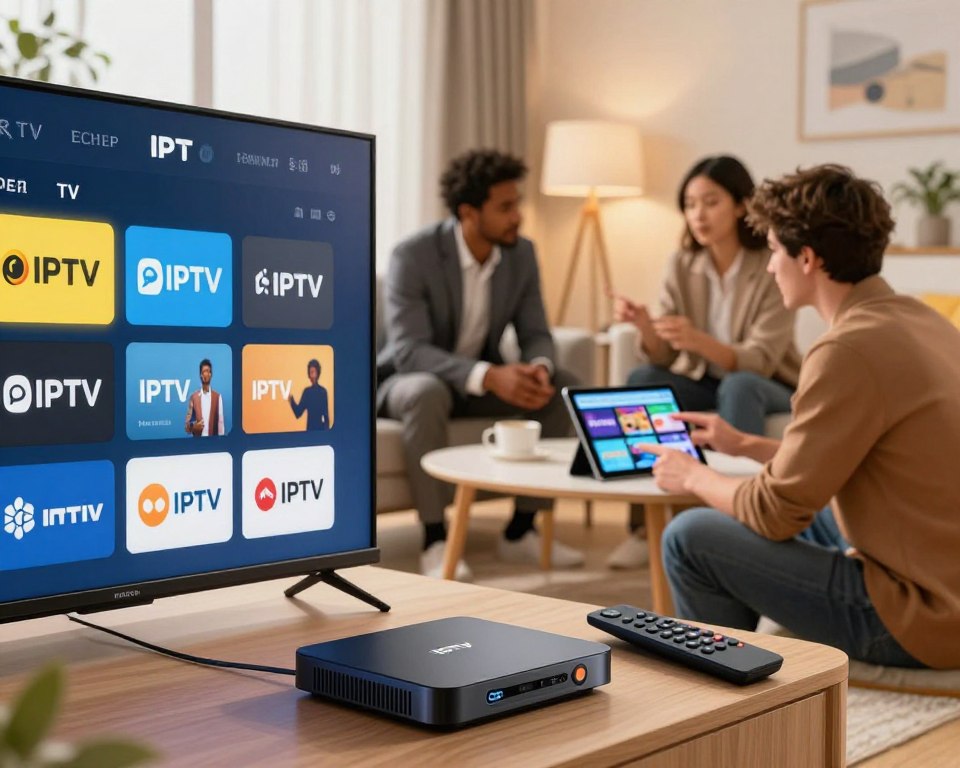
Key features put you in the driver’s seat. You can pause live broadcasts, rewind moments, and dive into vast on-demand libraries.
These features are standard with modern protocol television. They create a highly interactive viewing experience.
How IPTV Differs from Traditional TV
Legacy cable and satellite systems work by broadcasting all channels at once. Your TV tuner picks one signal from the stream.
Internet protocol television operates differently. It sends only the content you select, on demand.
This shift from broadcast to request is the fundamental change. It makes the entire system more efficient and personal.
This modern approach ensures television content is delivered efficiently. It adapts perfectly to the habits of a tech-savvy audience in the United States.
How IPTV Works
Ever wondered how a live sports event reaches thousands of screens at once without buffering? The answer lies in a sophisticated digital delivery system.
This technology relies on a fundamental web standard to move content from a server to your screen.
The Role of Internet Protocol in Delivery
The system uses the internet protocol as its digital highway. When you select a show, the server breaks the video into tiny data packets.
These packets travel independently across the network. They reassemble perfectly on your device, ensuring a stable connection.
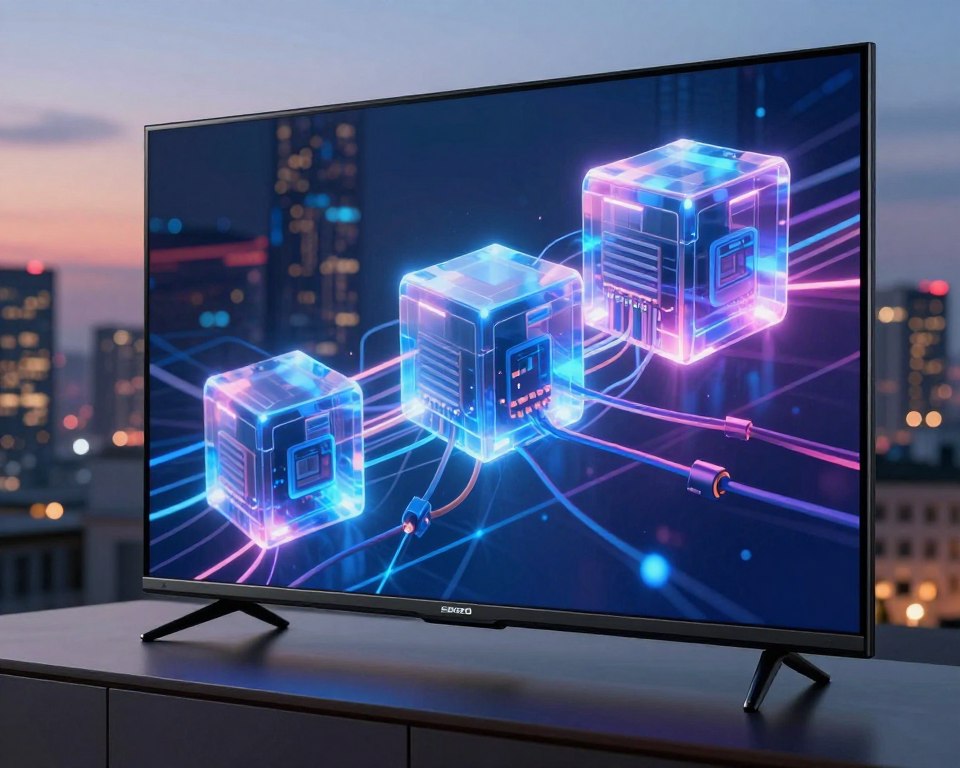
Explaining Multicast Streaming and Bandwidth Efficiency
A key innovation is multicast streaming. It sends one video stream to many users simultaneously.
This method optimizes overall bandwidth usage dramatically. It prevents network congestion that causes lag.
Efficient bandwidth management leverages your existing home connection. Providers use fiber optics, broadband, or DSL lines from your local ISP.
This efficient use of your home network is also key when installing IBO Player Pro on Roku. The result is a high-quality stream that feels personal, not shared.
Types of IPTV Services
Today’s top streaming platforms offer several distinct service types. Each model caters to different viewer preferences and schedules.
Understanding these options helps you choose the right entertainment mix.
Video on Demand (VOD) and Live TV
Video on demand services put a vast library at your fingertips. You can watch movies and shows whenever you want.
This on-demand content effectively replaces physical media like DVDs. For broadcasters, software like Muvi Playout manages scheduled channels.
Live TV options stream events in real-time. Sports and news often feature interactive elements for viewers.
| Service Type | Core Function | Key Benefit | Primary Content |
|---|---|---|---|
| Video on Demand (VOD) | Access pre-recorded library | Watch anytime | Movies, TV shows |
| Live TV | Stream real-time events | Immediate viewing | Sports, news, events |
| Time-Shifted Media | Watch missed broadcasts | Never miss a show | Recent episodes |
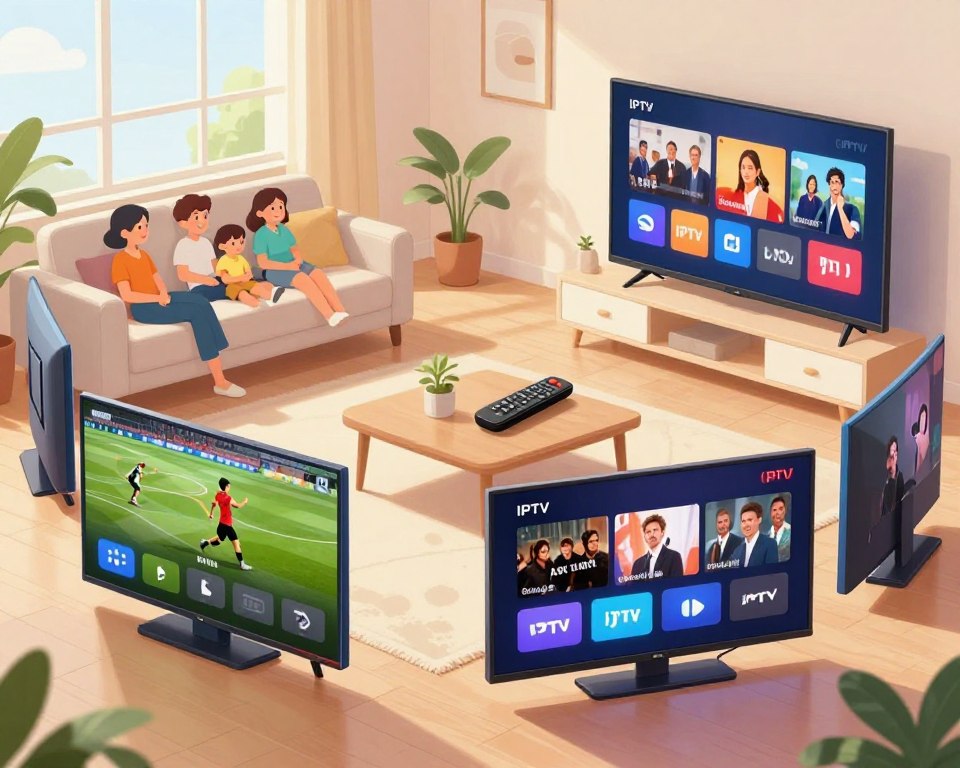
Time-Shifted Media and Interactive Options
Time-shifted media, or catch-up TV, is a game-changer. It lets you watch shows you missed earlier in the week.
You never fall behind on your favorite series. These various iptv services are accessed through dedicated apps.
They provide a seamless experience on your LG Smart TV, tablet, or Android TV. The right software and apps make all the difference.
Benefits of IPTV
Switching to internet-based television brings several compelling advantages to your screen. These benefits fundamentally change how you access and enjoy entertainment.
You gain more control and better value from your monthly subscription.
Enhanced Viewing Experience across Devices
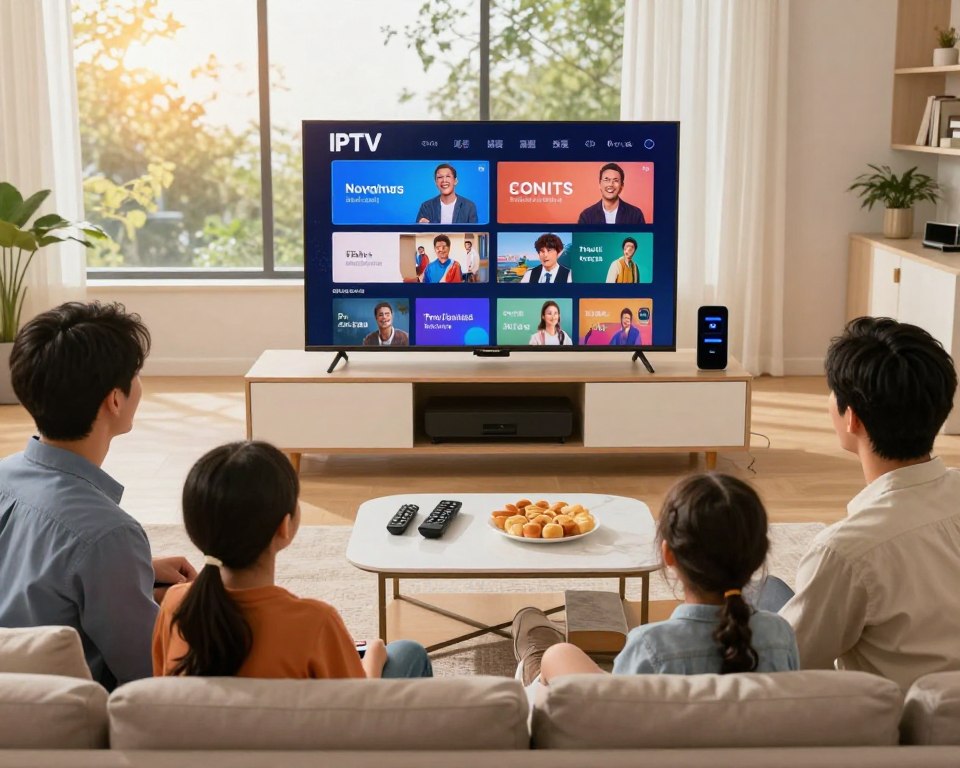
One major perk is seamless access across all your screens. Your favorite shows follow you from the living room TV to your smartphone or tablet.
The viewing experience remains consistent on different devices. High-definition and 4K quality content looks stunning everywhere.
This flexibility means entertainment fits your mobile lifestyle perfectly.
Cost-Effectiveness and Superior Quality
This service is often more affordable than traditional cable packages. Providers offer flexible plans that match your specific viewing habits.
Managed networks prioritize video traffic to maintain quality. This ensures a buffer-free stream even during peak hours.
The user enjoys a reliable, high-quality connection. For help unlocking all these benefits, follow our step-by-step installation guide.
It walks you through setting up your devices for the best service.
Comparing IPTV to Traditional TV
Not all television signals journey to your home in the same way. The delivery method defines your experience, reliability, and control.
Legacy systems and modern networks use fundamentally different paths.
Digital Transmission vs. Cable/Satellite
Traditional cable providers, like Time Warner Cable, rely on physical coaxial connections. This cable system sends a broadcast signal down a wire to your residence.
Satellite services operate differently. Companies such as DirecTV transmit television content via radio waves to a dish.
Weather storms can easily disrupt this satellite transmission. Your picture may freeze or drop out completely during heavy rain.
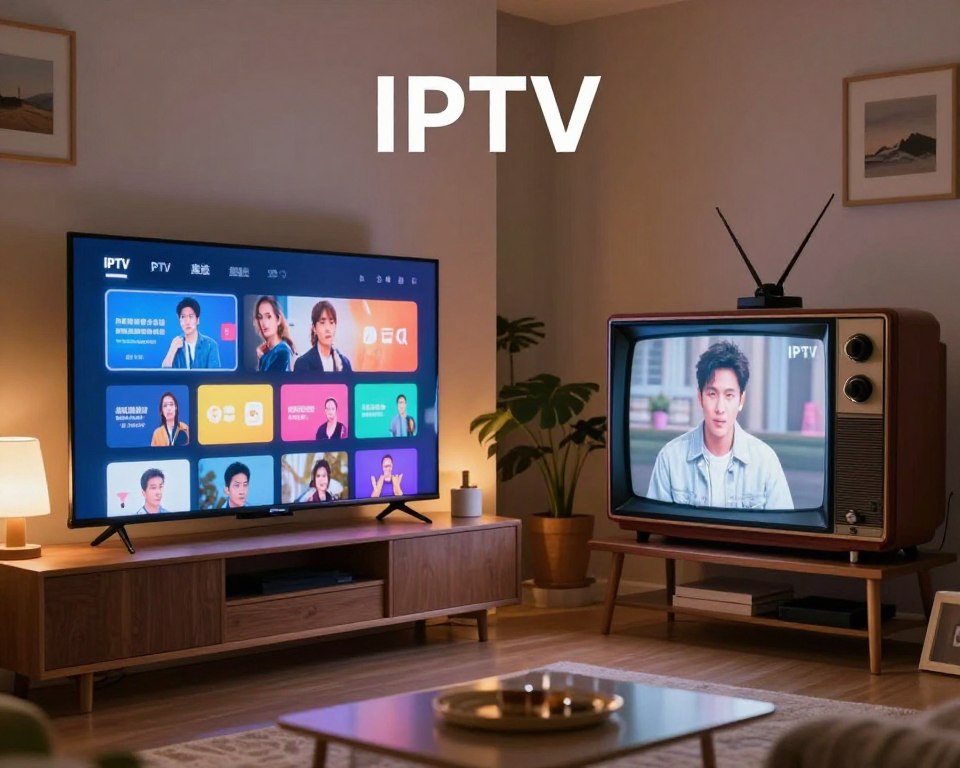
Internet-based delivery uses your existing IP network. This method is generally more resilient than satellite or older cable lines.
It also offers greater flexibility for the end-user. You are not tied to a fixed broadcast schedule.
The core difference is communication. Cable and satellite use a one-way, transmit-and-forget model.
Modern streaming creates a two-way street between server and viewer. This shift in technology is driving many consumers to switch.
| Transmission Method | Key Trait | User Experience | Resilience |
|---|---|---|---|
| Cable (Coaxial) | Physical wire connection | Stable, but limited interactivity | High, but infrastructure-dependent |
| Satellite (Radio Wave) | Wireless signal to dish | Prone to weather interference | Variable, lower in bad weather |
| IPTV (IP Network) | Data packets via internet | On-demand, interactive, flexible | High, relies on broadband stability |
Setting Up Your IPTV System
Getting your streaming system up and running is easier than you might imagine. A proper setup ensures you enjoy every show without interruption.
It all starts with gathering the right gear and securing a stable connection. This foundation is key to a seamless viewing experience.
Essential Equipment & Connectivity Requirements
First, you need a compatible device. Modern smart tvs, set-top boxes, or mobile gadgets work perfectly.
Your home internet connection is the most critical piece. High-speed broadband prevents buffering and delivers crisp HD streams.
For the best performance, connect your set-top box directly to the router using an Ethernet cable. This wired link offers superior stability over Wi-Fi.
Most new smart tvs have built-in support. You can download the necessary apps directly from the manufacturer’s store.
Step-by-Step Setup Guide
Begin by connecting your chosen device to your home internet network. Power on the equipment and navigate to its app store.
Download and install the streaming apps required by your service provider. The process is similar to adding any other application.
Finally, launch the app and log in with your provider credentials. You’ll instantly access live channels and on-demand libraries.
For specific instructions on popular hardware, check our detailed Amazon Firestick guide. It walks you through the entire process.
A smooth setup transforms your television into a powerful entertainment hub.
Once configured, your streaming service will be ready to deliver countless hours of content. Enjoy your new, personalized television experience.
Legal and Security Considerations
The convenience of streaming comes with the responsibility of choosing secure and legitimate services. Your viewing habits should never put your personal data or legal standing at risk.
Understanding the framework behind your entertainment is crucial for a safe experience.
Ensuring You Use Licensed IPTV Services
Legitimate providers invest heavily in security. They use Digital Rights Management (DRM) and advanced encryption to protect their content from piracy.
This safeguards both the broadcaster and your privacy. Always verify that the channels you access are properly licensed.
Using unauthorized services can lead to serious legal consequences. They often lack basic encryption, exposing your information.
Tips for Safeguarding Your Streaming Experience
To ensure high-quality streams, reputable platforms use H.265 compression and Content Delivery Networks (CDNs). These technologies manage traffic efficiently and prevent buffering.
Stick to established providers with clear security policies. This protects your home network from malware and unreliable streams.
Your digital safety is as important as the quality of your entertainment. Choose services that prioritize both.
By selecting a trusted premium IPTV service, you get consistent access to licensed content. Your viewing remains smooth, legal, and secure across all your favorite channels.
Exploring Future Trends in IPTV
Emerging trends point toward a more interconnected and intelligent entertainment ecosystem. The lines between different service models are blurring to create richer experiences.
Integration with OTT and FAST Platforms
A key development is the convergence of Over-The-Top (OTT) and Free Ad-Supported Television (FAST) platforms. This blend provides viewers with a wide range of specialized channels and global content.
Niche genres and independent creators find a home on these integrated platforms. Tools like Elementor empower them to build professional portals for direct video content distribution.
Technological Advancements and Market Growth
Artificial intelligence and machine learning are driving hyper-personalization. Your television content feed will increasingly match your unique preferences and watch history.
Improvements in broadband infrastructure support higher-quality video content delivery with less buffering. This enhances the overall viewer experience.
The synergy between advanced content delivery networks and accessible web tools fuels continuous innovation. This dynamic is expected to propel significant growth for streaming platforms in the coming years.
Conclusion
This comprehensive guide has equipped you to make informed choices about your digital entertainment. Our overview explored how modern IPTV works and its growing popularity.
We detailed various service options, from live broadcasts to vast on-demand libraries. Key features like time-shifting and multi-device access enhance your control.
Future advancements will integrate new features for greater personalization. Always choose a licensed provider for security and reliability. This ensures a secure stream at all times.
For a smooth setup, follow our step-by-step installation guide. Now you can confidently explore the many entertainment options available with IPTV technology.