IPTV Meaning Guide Contact WhatsApp +12679961061 UK
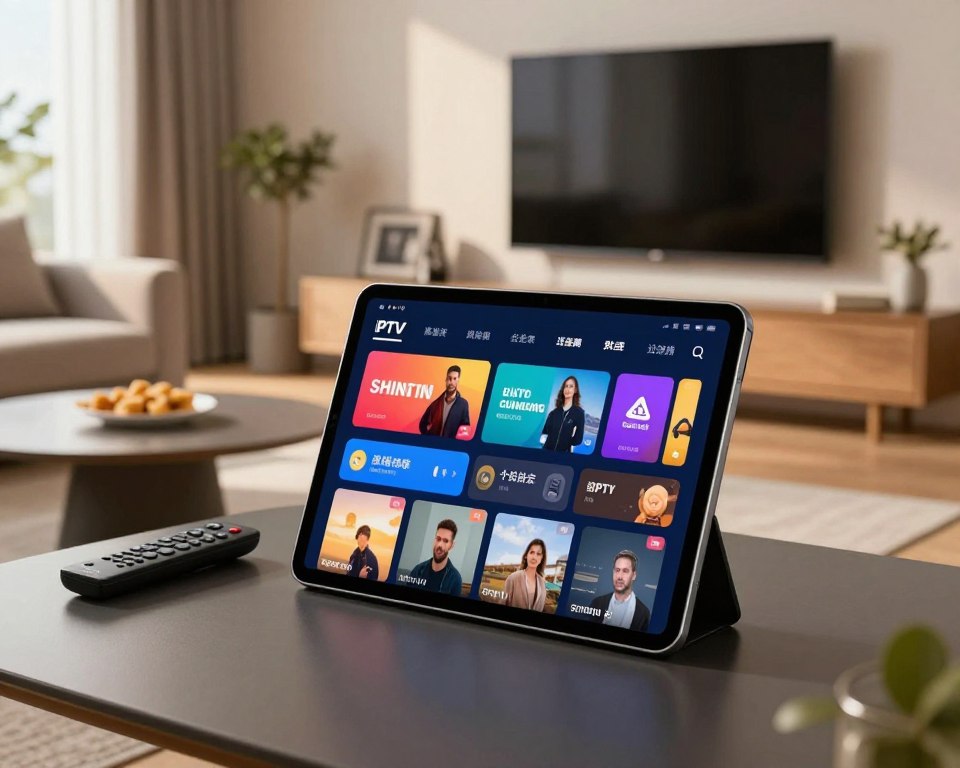
Is your television service keeping up with the modern world, or are you stuck with outdated broadcasting?
This guide cuts through the confusion. We explain how internet protocol television delivers content directly via your broadband. It’s a shift from scheduled programmes to on-demand viewing.
Understanding this technology is your first step towards a superior home entertainment system. Our friendly team simplifies the entire process for viewers across the United Kingdom.
We aim to demystify digital streaming so you can enjoy a seamless, high-quality experience. Whether you’re new to this or an enthusiast, our expertise ensures you get the most from your setup.
Have questions? Contact our support team on WhatsApp at +12679961061 for personalised guidance. For detailed pricing on advanced solutions, check our IBO Player Pro pricing page.
Key Takeaways
- Internet Protocol Television (IPTV) represents a modern shift from traditional broadcast methods.
- Content is delivered directly through your internet connection, offering greater flexibility.
- This guide is designed to simplify the concept for UK-based viewers and users.
- Expert support is readily available via WhatsApp for any setup queries you may have.
- A seamless and high-quality viewing experience is the primary goal of adopting this service.
- Understanding the basics is crucial for both beginners and seasoned entertainment enthusiasts.
- Our team provides tailored advice to help you maximise your home entertainment system.
Introduction to the Digital Age of Television
A seismic shift is reshaping the global television market, driven by internet connectivity. The way audiences consume entertainment is fundamentally changing. This move is away from rigid schedules and towards viewer-controlled experiences.
Industry reports highlight this dramatic change. The global sector for internet-delivered television was valued at USD 68.78 billion in 2023. Experts project astonishing growth, with the market potentially reaching USD 276.38 billion by 2032.
For viewers today, this data signals a clear trend. Households are prioritising on-demand access over broadcast timetables. The flexibility of modern digital offerings is a major draw.
The table below illustrates the core differences driving this transition in the United Kingdom and across the world.
| Feature | Traditional Broadcast TV | Modern Digital Services |
|---|---|---|
| Content Delivery | Via aerial, satellite dish, or cable | Streamed directly through an internet connection |
| Schedule | Fixed programming set by channels | Flexible, on-demand viewing at any time |
| Access | Often limited to one primary screen | Watch on multiple compatible devices |
| Personalisation | Minimal; same linear feed for all | Tailored recommendations and user profiles |
Understanding these market trends helps explain why so many are upgrading their home entertainment.
Understanding iptv meaning
The core idea behind modern television streaming is surprisingly simple. It uses internet rules to deliver entertainment.
Defining IPTV and Its Role in Modern Streaming
Internet protocol television is a method for sending live channels and on-demand libraries. It uses the same underlying rules that power the web, called packet-based networking.
This technology delivers high-quality video directly to your screen. Your favourite shows arrive through your broadband connection.
Its primary role is to enable a flexible, interactive viewing experience. You are no longer bound by a broadcaster’s schedule.
Comparing IPTV with Traditional Television Methods
Old-school television relies on physical infrastructure. This includes satellite dishes, cable wires, or a rooftop aerial.
The modern approach uses your existing internet network. This fundamental difference changes everything about how you access content.
The table below highlights the key contrasts between the two systems.
| Feature | Traditional TV (Cable/Satellite) | Modern Internet Protocol Service |
|---|---|---|
| Delivery Network | Dedicated cable or satellite signal | Your home broadband internet connection |
| Content Access | Linear, channel-based schedule | On-demand libraries and live streams |
| Viewer Control | Limited to changing channels | Pause, rewind, and watch anytime |
This shift puts you in charge of your viewing habits. You decide what to watch and when.
The Evolution from Traditional TV to IPTV Services
Remember the days of fiddling with a rooftop aerial to get a clear picture? That era has given way to a new age of digital delivery. The evolution of television content has been dramatic, moving from rigid schedules to viewer-controlled libraries.
This shift is powered by a fundamental change in how signals reach your screen. The global market for these digital services was valued at a staggering USD 68.84 billion in 2023.
From Cable and Satellite to Internet Protocol
Traditional viewing relied on dedicated physical lines. Your signal came through a coaxial cable or a satellite dish pointed at the sky.
Modern systems use a different pathway entirely. They employ internet protocol to send data packets directly through your broadband router. This move away from cable and satellite infrastructure is the core of the change.
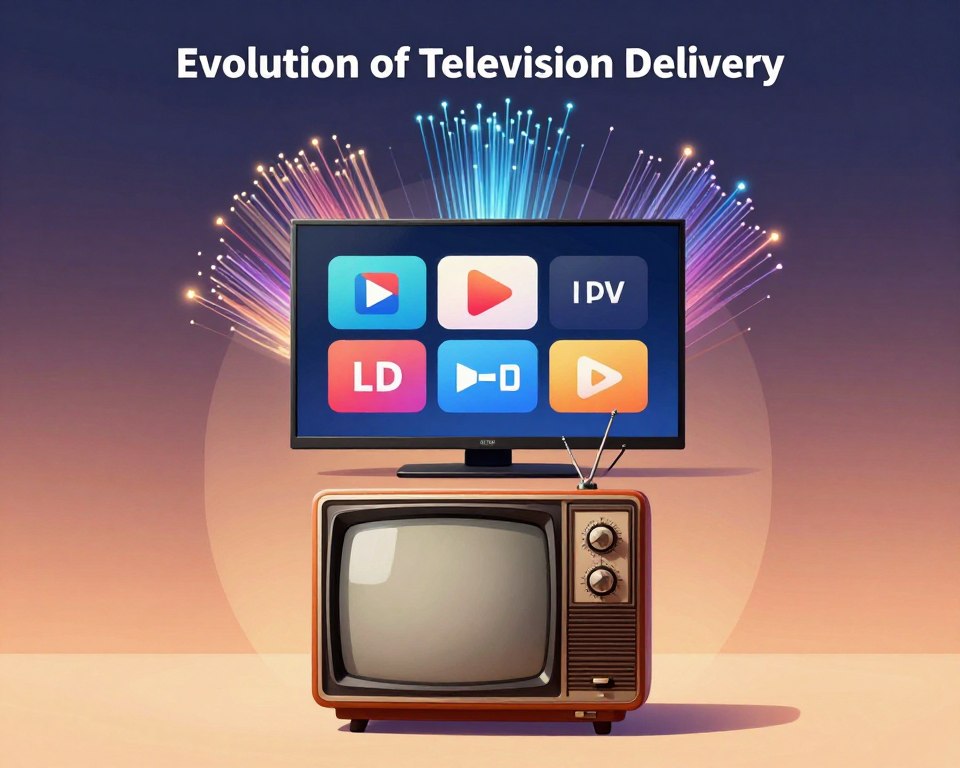
Innovative Approaches in Television Delivery
Today’s methods focus on efficiency and reliability. Data is compressed and transmitted intelligently, ensuring a stable stream even during peak hours.
The result is a far more personalised experience. Providers can tailor offerings and recommendations directly to your tastes.
The table below summarises the key differences in this evolution.
| Aspect | Traditional TV | Modern Internet-Based TV |
|---|---|---|
| Primary Delivery | Satellite dish or cable wire | Home broadband connection |
| Viewer Control | Limited to channel surfing | Full pause, rewind, and on-demand access |
| Device Access | Usually one main television | Smart TVs, phones, tablets, and computers |
| Personalisation | None; uniform broadcast for all | User profiles and tailored suggestions |
| Signal Reliability | Affected by weather (satellite) or line faults | Dependent on stable internet bandwidth |
This transition puts you firmly in control. Getting started is often straightforward, with guides available for popular devices like this installation guide for LG Smart TVs.
Key Features and Benefits of IPTV
Exploring the standout features of internet-based TV reveals why it’s become the preferred choice for many. These advantages go beyond simple channel access, offering a fundamentally better way to enjoy entertainment.
On-Demand Content and Flexibility
One of the most compelling features is instant access to vast libraries of films and series. This on-demand content means you watch what you want, whenever you like.
The system’s inherent flexibility also lets you pause live sport or rewind a crucial scene. You are no longer a slave to the broadcaster’s schedule.
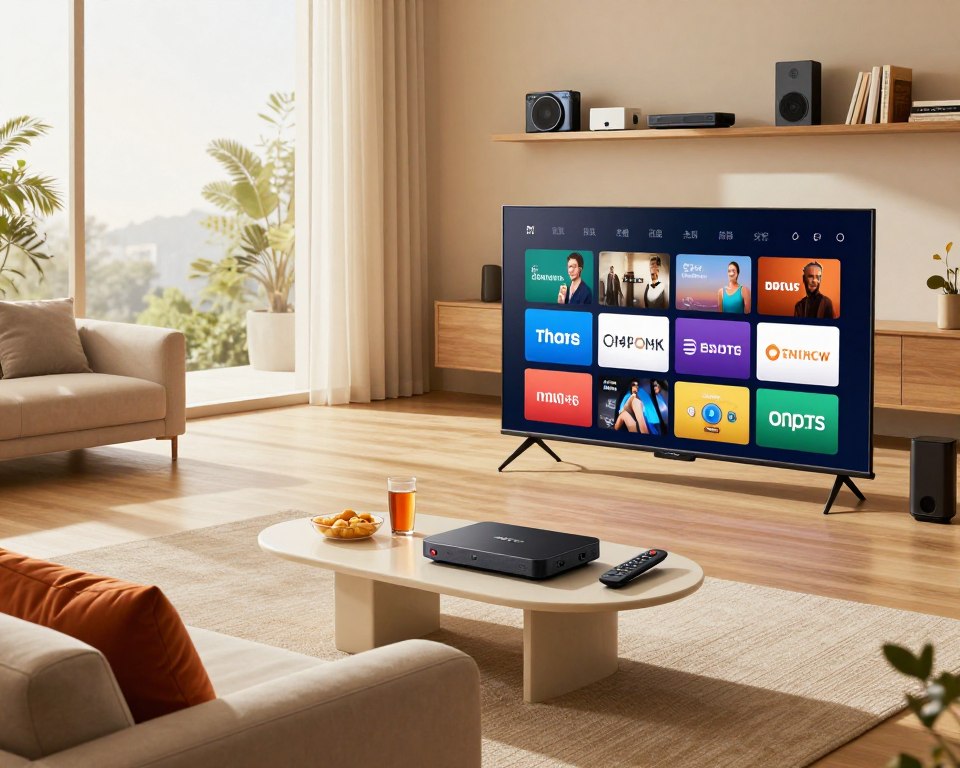
Enhanced Quality through Managed Networks
Providers use managed networks with Quality of Service (QoS) protocols. This ensures consistent picture and sound quality, minimising the buffering common on the open internet.
Personalisation and User Control
The service learns from your viewing habits to suggest shows you’ll love. This user-centric approach creates a tailored experience that improves over time.
Together, these benefits create a robust and adaptable entertainment platform. For a smooth start, our installation guide for Windows walks you through the setup.
Getting Started with IPTV for Beginners
For newcomers, beginning with a modern television service is all about making a few smart initial choices. Many people find the array of offers exciting. The goal is to find a plan that fits both your entertainment budget and your favourite types of content.
Understanding Subscription Options and Plans
Your first task is to review the different subscription tiers available. A reputable iptv service will offer clear plans. You should look for the best value that includes the specific channels and features you desire.
| Plan Tier | Typical Features | Best For |
|---|---|---|
| Basic | Core live channels, limited on-demand | Light viewers or those on a budget |
| Standard | Extended channel list, larger on-demand library | Most households with varied interests |
| Premium | All channels, 4K content, multi-screen viewing | Enthusiasts wanting the full, flexible experience |
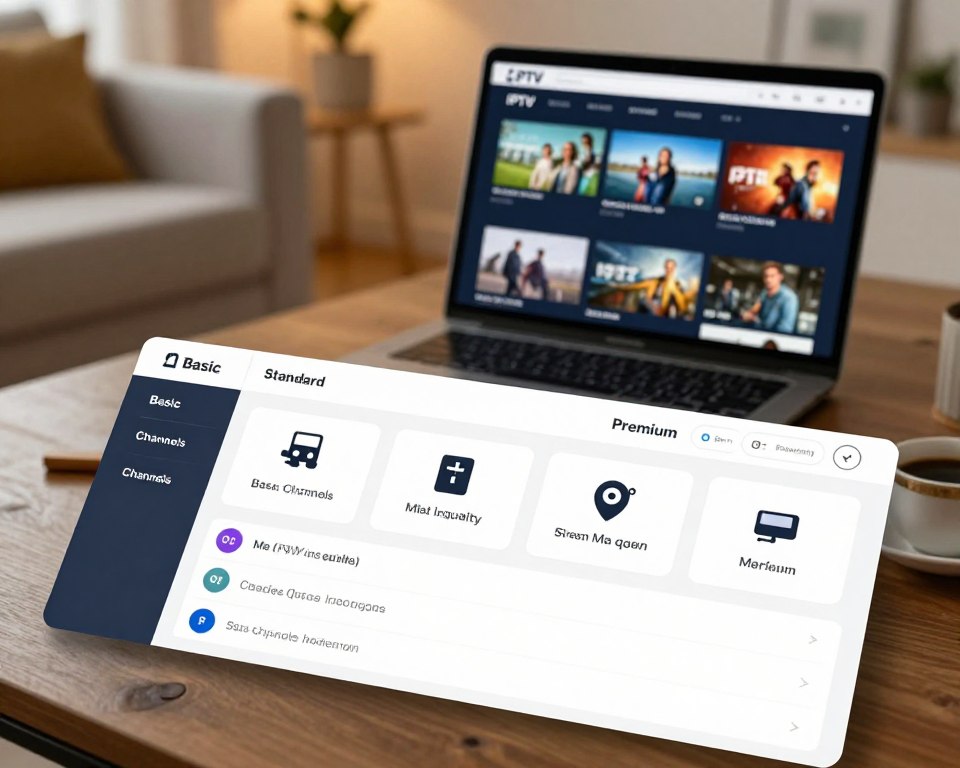
Simple Steps to Begin Your IPTV Journey
The setup process is designed to be straightforward. Follow these simple steps to start watching quickly.
- Select a provider with strong reviews and a plan that matches your needs.
- Complete your subscription and receive your login details.
- Install the required application on your device to access all your programs.
- Configure your settings and explore the on-demand library.
For specific device help, like a Roku TV, our friendly setup guide for Roku TV provides clear instructions.
Essential Hardware and Device Compatibility
Your choice of equipment directly impacts the quality and reliability of your viewing. A seamless experience depends on pairing your service with the right hardware.
This ensures smooth playback and excellent picture quality. The first step is identifying your primary streaming device.
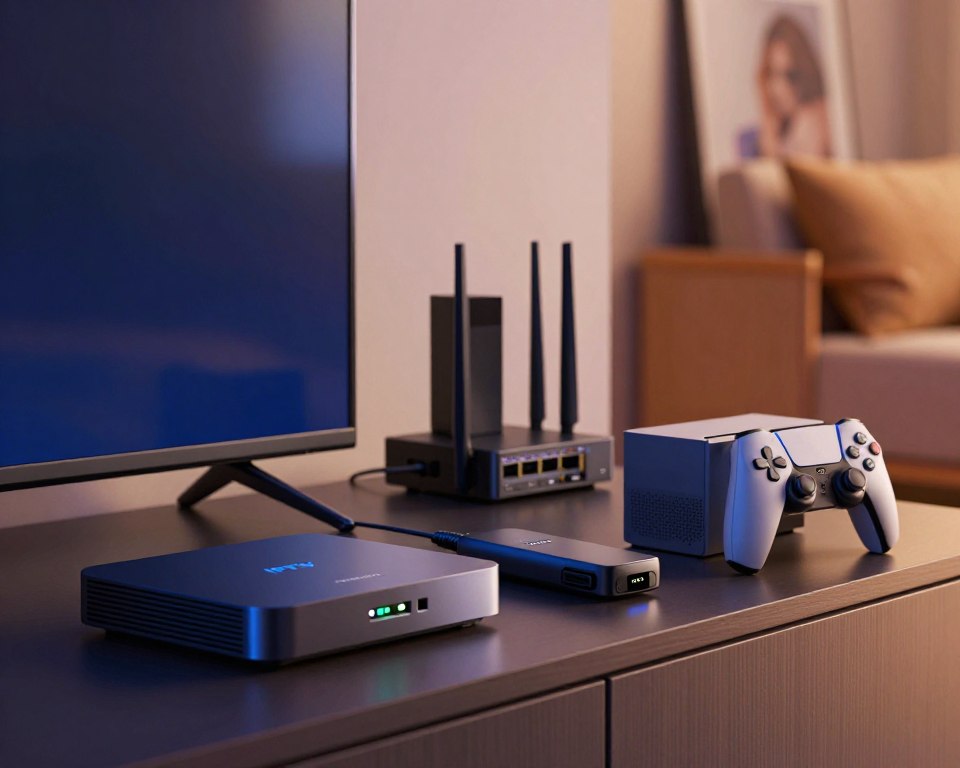
Choosing the Right Decoder and Streaming Devices
Modern entertainment systems work with a wide range of compatible devices. Popular brands like Samsung, LG, and Sony offer excellent support for streaming applications.
For a premium setup, consider a television like the Hisense 55A6G. This 4K Ultra HD Android Smart TV has integrated support for high-quality media.
Maintaining sufficient bandwidth is non-negotiable for optimal quality. You need a steady 5 Mbps for HD streams and at least 25 Mbps for crisp 4K content.
Every piece of hardware must be configured correctly to handle the data stream. A stable network connection is the final key to a brilliant experience.
| Device Type | Key Consideration | Recommended Bandwidth |
|---|---|---|
| Standard Streaming Box | App compatibility, processing power | 5 Mbps (HD) |
| Smart TV | Built-in app store, OS updates | 25 Mbps (4K) |
| Gaming Console | Multitasking ability, ethernet port | 25 Mbps (4K) |
Proper setup on your specific model is straightforward. For example, you can find a guide for the Samsung Smart TV App Store.
Setting Up IPTV on Smart TVs and Streaming Devices
Getting your favourite shows onto your smart television is easier than you might think. The setup process is designed to be straightforward for all users. It typically involves installing a dedicated application on your chosen device.
Popular applications like IPTV Smarters, Smart IPTV, and GSE Smart IPTV are widely used. They offer an intuitive interface for managing your entire channel lineup.
Step-by-Step Installation on Various Platforms
The core steps are similar across different devices. First, you need to download the necessary software from the official store for your platform.
Users often prefer these specific apps because they simplify navigation. After installation, you simply enter your login details to start your stream.
| Platform | Key Installation Step | Primary App Source |
|---|---|---|
| Smart TV | Search for and download the app from the built-in store. | Manufacturer’s store (e.g., LG Content Store) |
| Streaming Box | Install via the device’s dedicated application portal. | Google Play Store or Amazon Appstore |
| Mobile Device | Get the application from your phone’s official app store. | Apple App Store or Google Play Store |
Troubleshooting Common Setup Issues
If you encounter problems, don’t worry. Most issues have simple solutions.
Always check your internet connection first. A weak signal is a common cause of streaming problems.
Try reinstalling the application if it fails to load. Also, ensure your device’s software is updated for the best compatibility.
Following the specific guide from your provider is the best way to avoid setup hassles.
Security and Legal Considerations for IPTV Users
A responsible viewer today must consider more than just channel selection and picture clarity. Your safety and compliance are fundamental to a positive, long-term streaming experience. Legal internet protocol television services operate with proper broadcasting rights and licensed content to protect all users.
Ensuring Secure Streaming and Data Protection
Ensuring a secure stream is vital for protecting your personal data. Professional providers use robust encryption and tokenised delivery systems. These measures prevent unauthorised access to their networks and your information.
Understanding Copyright and Licensing Requirements
Always verify that your chosen iptv service is fully licensed. This guarantees the provider respects copyright and broadcasting laws. You enjoy your favourite programmes knowing the creators are fairly supported.
Combating Piracy and Unauthorised Access
Combating piracy is a collective effort. By choosing authorised platforms, you help sustain the entertainment industry. A secure setup begins with trusted guides, like our step-by-step installation guide, which ensures proper configuration.
Understanding these requirements keeps your home entertainment compliant with UK regulations. It also fosters a safer digital environment for all users.
Future Trends and Innovations in IPTV
The landscape of home entertainment is on the cusp of another major transformation. What we enjoy today is just the starting point for a more connected and personalised viewing era.
Several key technologies are driving this shift. They promise to make the television market more dynamic and user-focused than ever before.
Emerging Technologies and Enhanced Viewing Experiences
The rollout of 5G networks is a game-changer for mobile streaming. It provides the low latency needed for flawless, high-definition video on the go.
Innovations in AI-driven personalisation are already being implemented. These systems analyse your habits to suggest content you will genuinely love.
As the internet infrastructure evolves, expect more immersive experiences. Think multi-angle sports coverage and interactive live broadcasts where you influence the action.
| Emerging Technology | Key Benefit | Expected Viewer Impact |
|---|---|---|
| 5G Networks | Ultra-low latency for mobile | Broadcast-quality streaming on smartphones and tablets anywhere. |
| AI Personalisation | Hyper-relevant content suggestions | A curated channel lineup that feels uniquely tailored to your tastes. |
| Interactive Broadcasts | Viewer participation in live events | A more engaging and social way to watch your favourite programmes. |
These advancements will make streaming more accessible and reliable for everyone. By staying informed, you can ensure your home setup is ready for the next generation.
For a smooth transition into modern viewing, our simple setup guide provides all the help you need.
Conclusion
As we wrap up this comprehensive guide, you hold the keys to a superior and personalised television experience. You can now access a vast library of films, live channels, and your favourite shows with incredible flexibility. This modern approach puts you in complete control of your schedule.
Understanding how the service works helps you manage your home network and devices for a smooth streaming experience. Whether you use smart tvs, mobile apps, or a computer, the quality of your on-demand content remains high. A stable internet connection is the final piece for reliable access.
Choosing a reputable, fully licensed provider is essential for enjoying your programmes safely and legally. It supports the creators and ensures a secure user environment.
If you have any questions about your setup, our friendly team is just a message away on WhatsApp. We hope you enjoy every moment of your new viewing journey.